
Long-Lead Coordination: Why Data Center Delivery Starts Before Construction
Data centers move fast.
Ironically, some of the equipment needed to build them doesn’t.
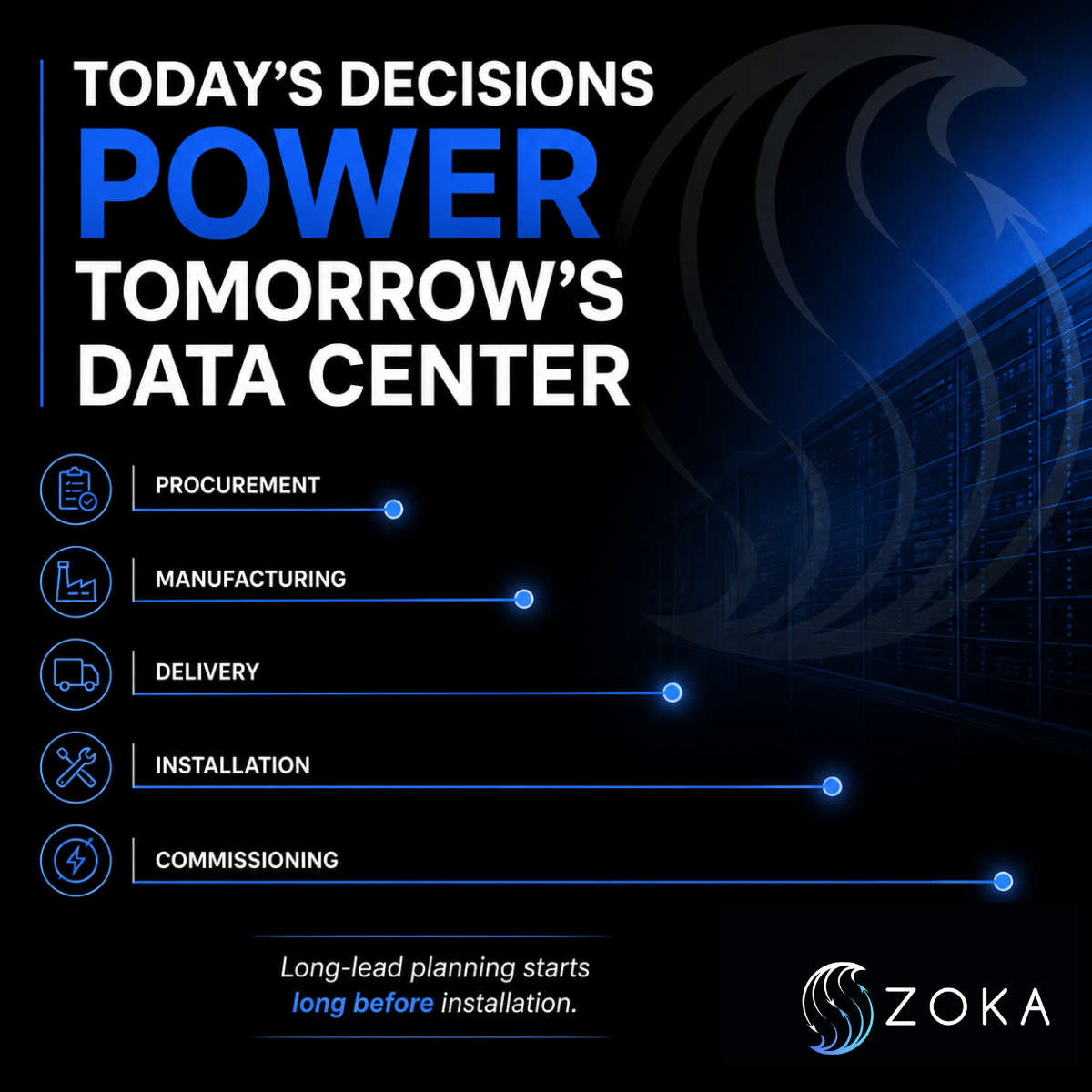
Long-lead electrical equipment, utility coordination, procurement decisions, and vendor requirements can begin months before construction reaches the point where that equipment is needed onsite. That creates an operational challenge: teams have to manage critical activities today that may not affect field progress until much later.
When those activities lose visibility, the schedule eventually feels it.
The Schedule Risk You Can’t Always See Onsite
A project can appear to be progressing well in the field while decisions happening behind the scenes are already putting future milestones at risk.
Long-lead equipment is a good example.
Switchgear, transformers, generators, chillers, and other critical equipment may require significant planning, coordination, approvals, procurement, fabrication, and delivery time. Utility requirements and vendor dependencies can introduce additional milestones that need to be tracked alongside the construction schedule.
The challenge isn’t simply placing an order early.
Teams need visibility into what has been approved, what is still outstanding, who owns the next action, whether dates have changed, and how those changes affect downstream activities.
Without that visibility, a small delay early in the process can become a much larger problem months later.
Procurement Is Also an Information Problem
Managing long-lead items requires information to move consistently between owners, project managers, designers, contractors, vendors, utilities, and other stakeholders.
Consider how many questions can surround a single critical item:
- Has the equipment been released?
- Are the specifications and drawings finalized?
- Are required submittals approved?
- Is there an outstanding decision preventing procurement?
- Has the vendor confirmed the current lead time?
- Has the expected delivery date changed?
- Does the project schedule reflect the latest information?
- Who owns the next action?
- What downstream work is affected if the date moves?
When those answers live across emails, spreadsheets, meeting notes, project management systems, and individual team members, maintaining an accurate picture becomes difficult.
That is where operational discipline matters.
Long-Lead Coordination Requires Clear Ownership
Tracking something is not the same as managing it.
A procurement log can identify an expected delivery date, but someone still needs to make sure the information stays current. Meeting minutes can document an outstanding decision, but someone still needs to follow that decision through to resolution.
Successful coordination requires clear ownership around activities such as:
Procurement tracking. Critical equipment, milestones, approvals, fabrication status, delivery dates, and changes need consistent visibility.
Action-item management. Outstanding decisions need an owner, a deadline, and follow-through.
Vendor coordination. Updated information needs to move between vendors and the appropriate project stakeholders.
Documentation. Decisions, approvals, submittals, changes, and current status need to be captured accurately.
Reporting. Project leadership needs visibility into the items that could affect upcoming milestones—not only the issues already affecting the field.
Escalation. When a critical decision or delivery begins moving off plan, the right people need to know early enough to respond.
The goal is not more reporting for the sake of reporting. The goal is making critical information visible early enough to act on it.
Data Center Speed Depends on What Happens Before the Field Needs It
Fast-paced construction doesn’t eliminate the need for planning. It makes early coordination even more important.
By the time a missing approval, delayed procurement decision, or equipment issue begins affecting crews onsite, the team’s options may already be limited.
Strong data center delivery therefore requires teams to look beyond today’s field activities and maintain visibility into what is coming next.
What needs to be approved?
What needs to be purchased?
What decisions are still outstanding?
What dependencies could affect the schedule?
And, most importantly, who owns each of those next steps?
The earlier those questions are answered—and consistently tracked—the better positioned the project team is to protect future milestones.
Supporting the Operational Side of Data Center Delivery
ZoKa Solutions supports the operational infrastructure behind complex project delivery.
Depending on the needs of the project and existing team, that can include project coordination, procurement tracking, documentation, reporting, action-item management, project controls, system administration, and the workflows that keep information moving between stakeholders.
We integrate into existing teams and systems to provide additional operational capacity where it is needed, helping project leadership maintain visibility while internal teams remain focused on execution.
Because in data center construction, moving quickly isn’t only about what happens onsite.
It’s about making sure the decisions, equipment, information, and people needed tomorrow are already moving today.